Printed Edit
Printed Kurtis for Women — Block Print, Dabu & Kalamkari
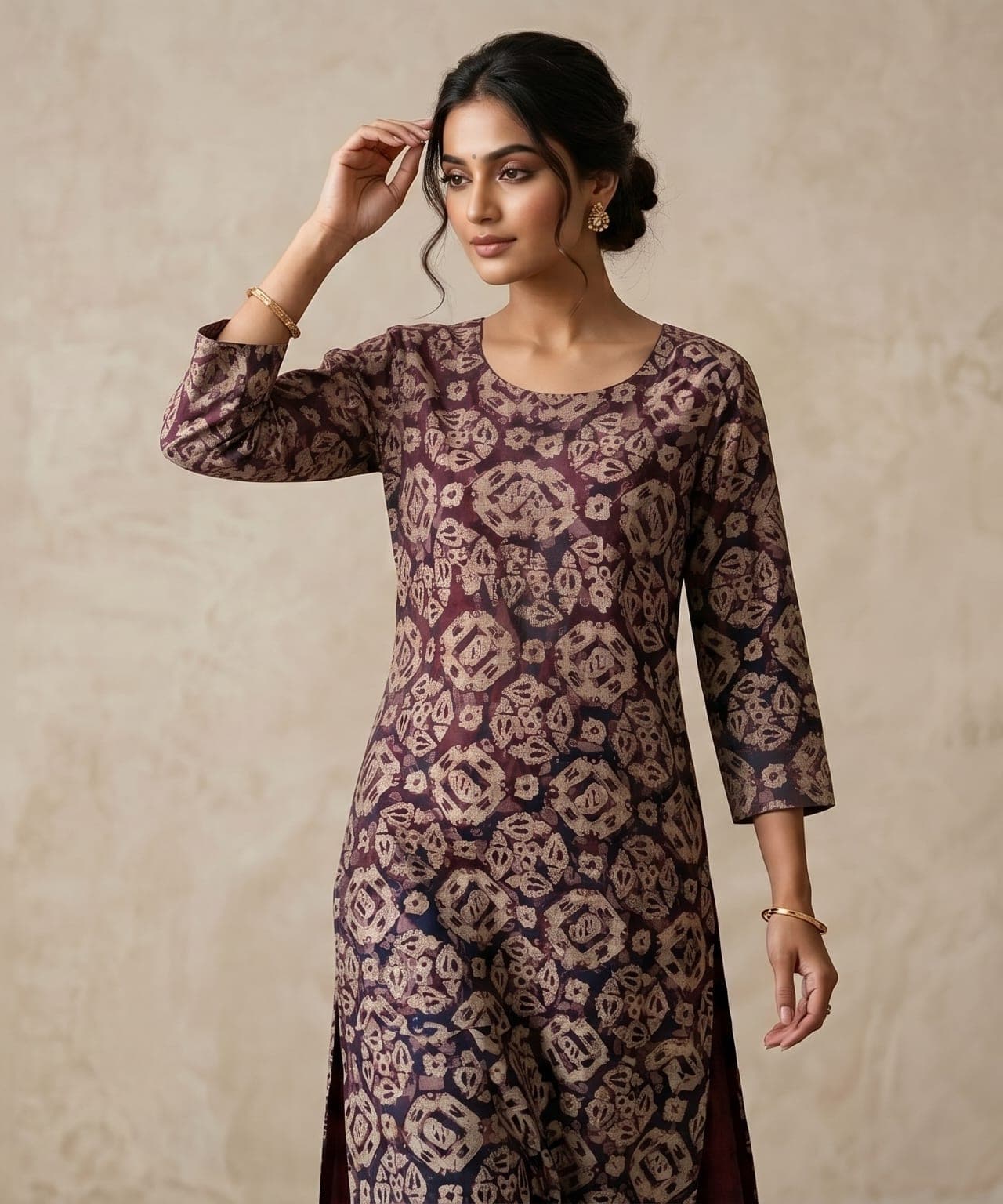
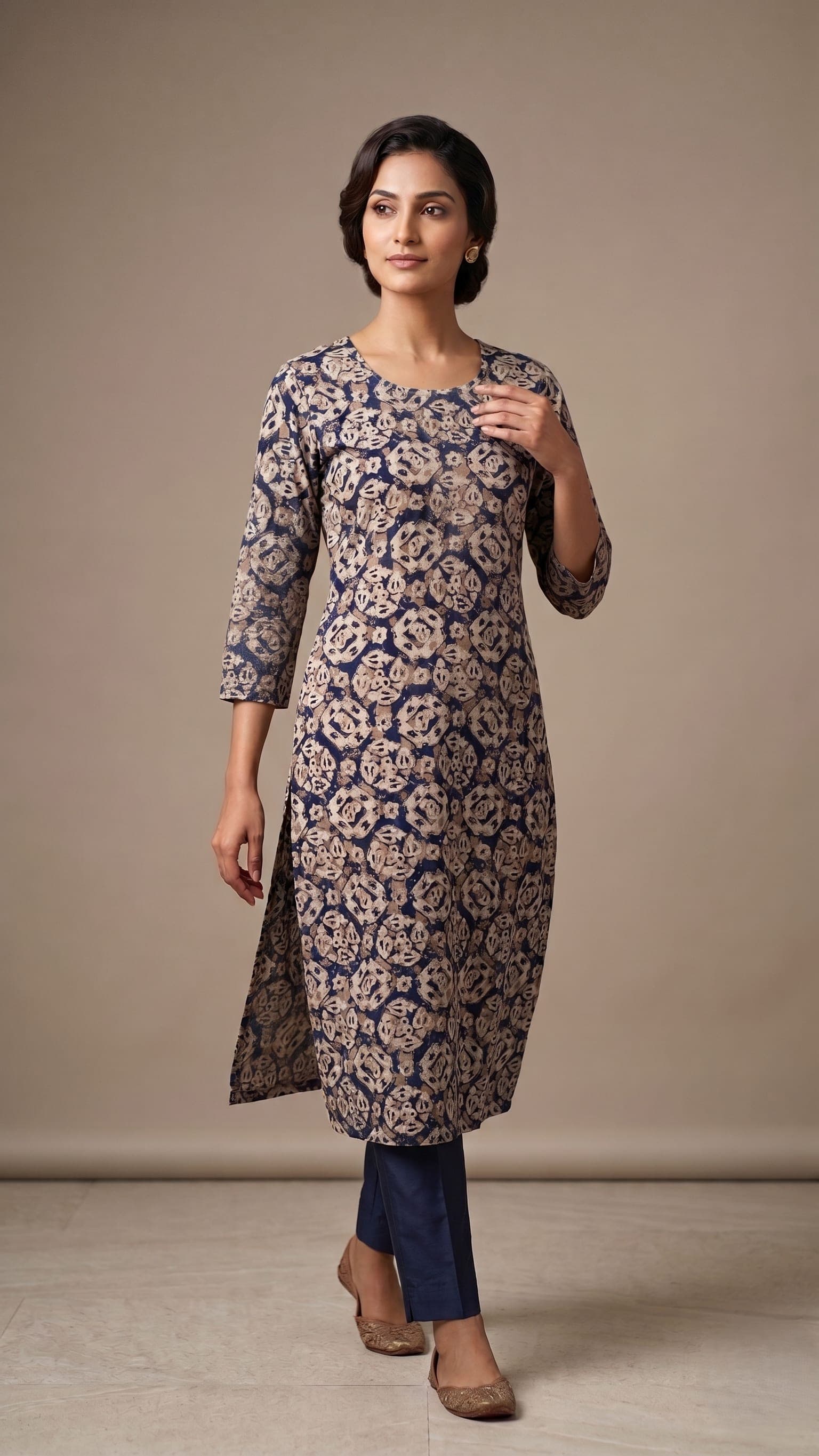
Printed here means printed by hand. This edit gathers Rajasthani dabu indigo — where mud resist gives the deep blue its uneven, living edges — alongside Andhra Kalamkari, whose motifs are drawn with a pen rather than stamped. Because each length is printed individually, no two kurtis are quite identical, and the small irregularities are the craft rather than a flaw.
Shop Printed kurtis
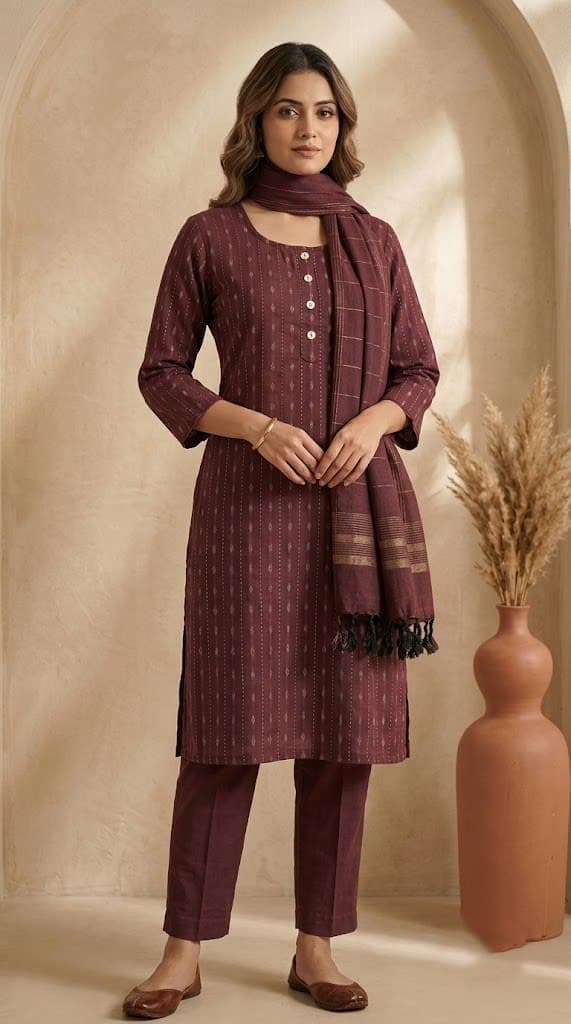
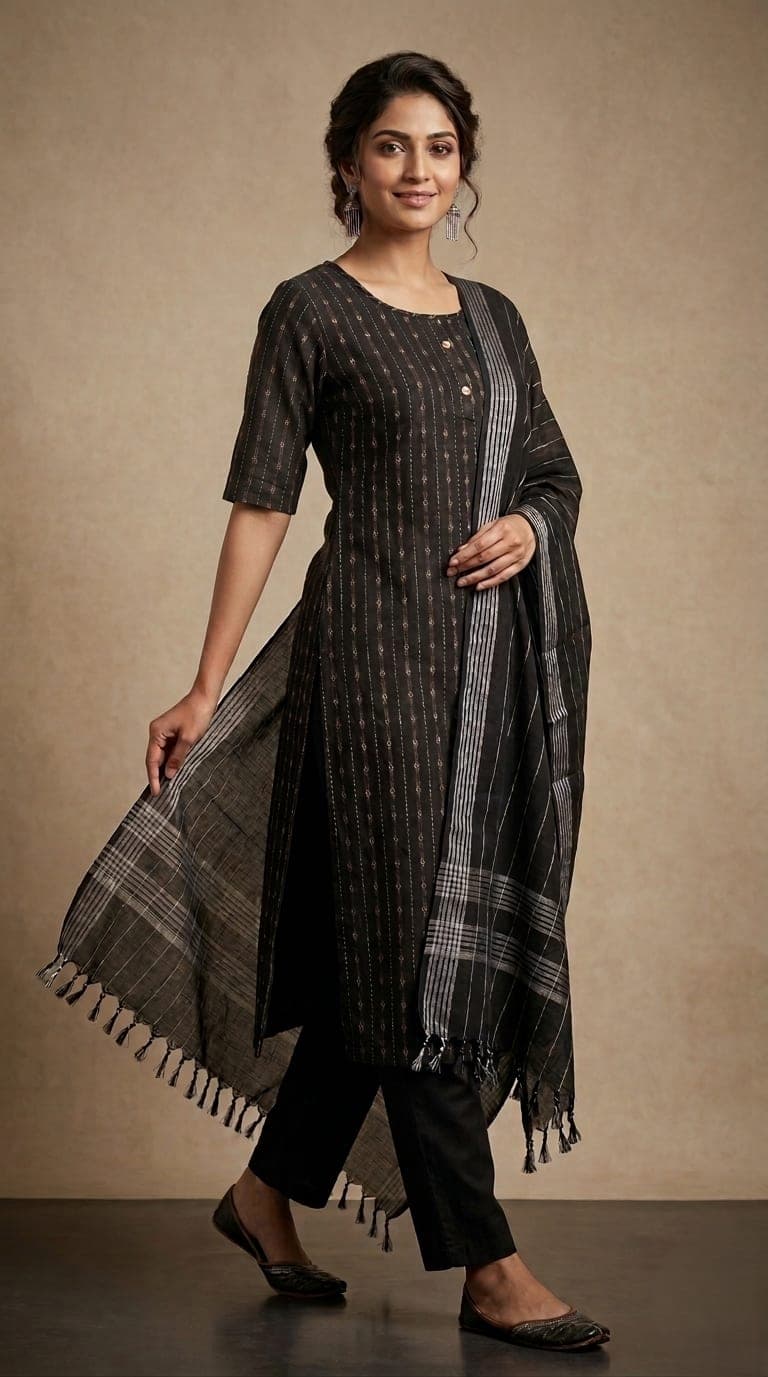
Sale
Color
Size
Mocha Elegance Kurti Set
₹459₹789
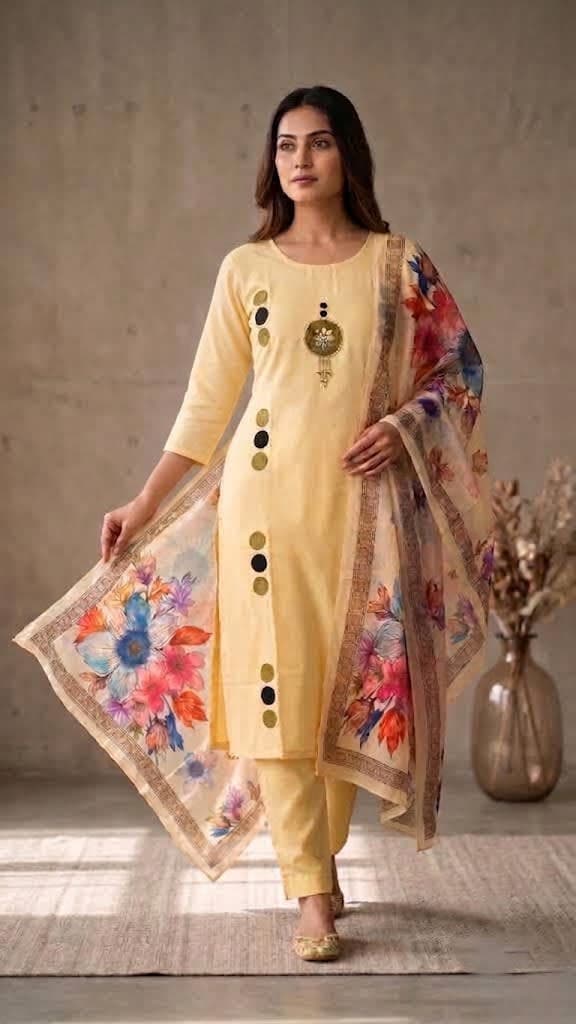
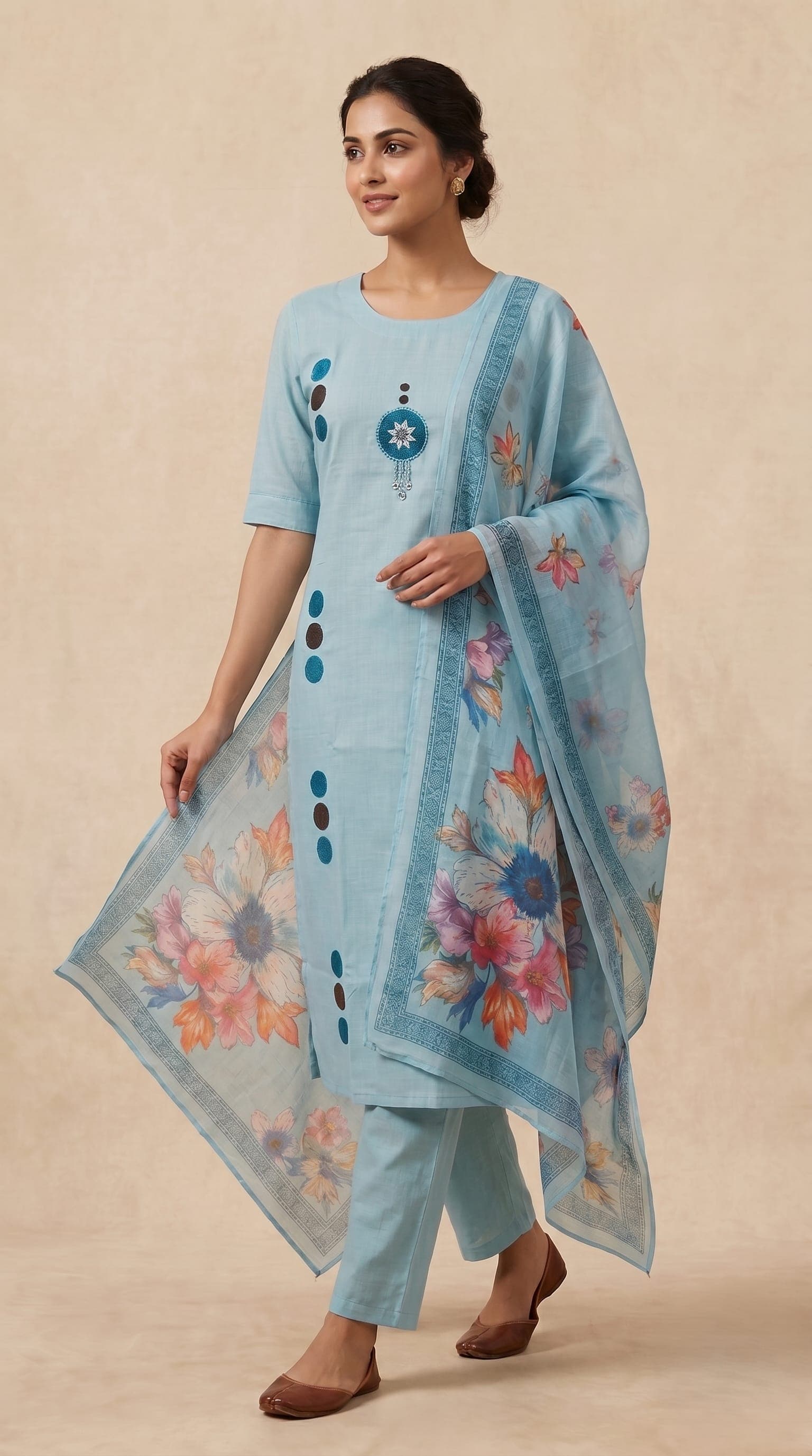
Sale
Color
Size
Marigold Grace Set -3-Piece Set
₹749₹1,359
Sale
Color
Size
Printed Art Silk Kurti for Women
₹280₹449
Sale
Color
Size
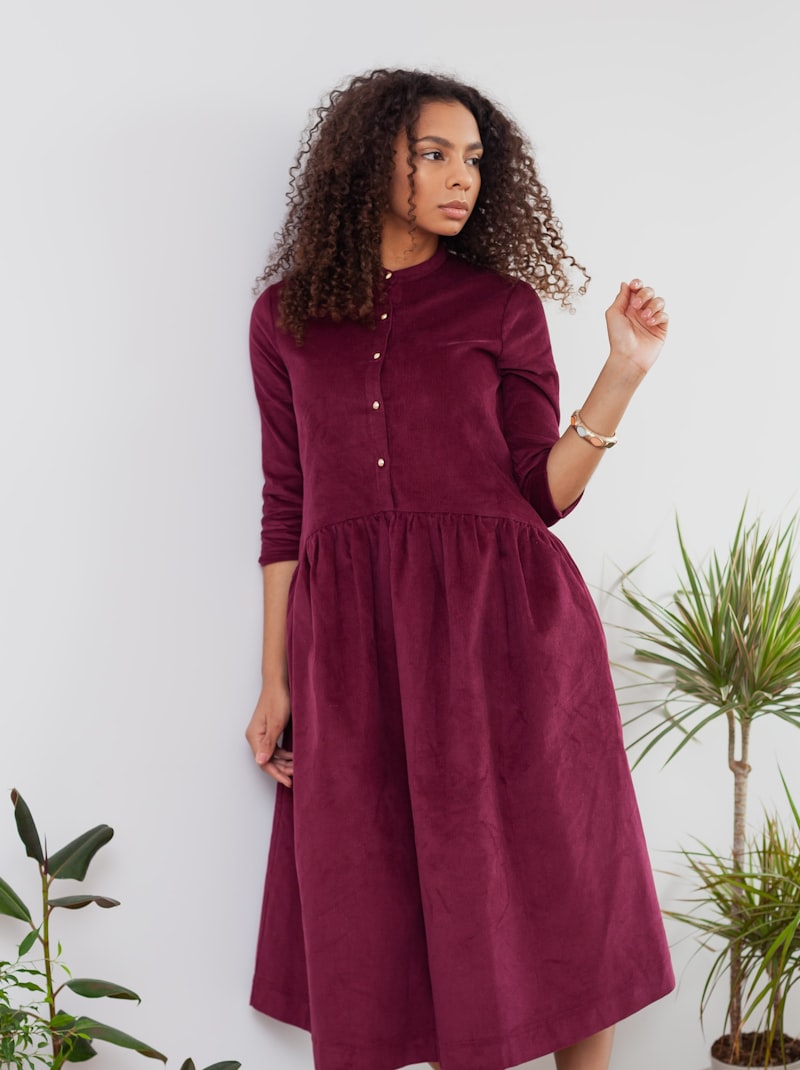
Sunset Marigold Kurti
₹1,249₹1,599

Sale
Color
Size
Indigo Block Print Kurti
₹1,099₹1,399
Rated 5.0 out of 5 from 1 review5 of 5 printed kurtis
Printed kurtis — common questions
- What is a hand block print kurti?
- The pattern is stamped onto the fabric with hand-carved wooden blocks, one colour and one impression at a time. Slight overlaps and variations in ink density are how you tell a genuine hand block print from a screen-printed imitation.
- What is the difference between dabu and Kalamkari printing?
- Dabu is a mud-resist technique from Rajasthan: clay paste is applied where the dye should not reach, which is what produces its characteristic indigo-and-cream patterning. Kalamkari, from Andhra Pradesh, is drawn freehand with a bamboo pen using natural dyes, so its motifs are more pictorial and flowing.
- Will a hand block printed kurti bleed colour?
- Natural dyes can release a little excess colour in the first wash. Wash the kurti separately in cold water the first two times, add a spoon of salt to help set the dye, and dry it in shade rather than direct sun.